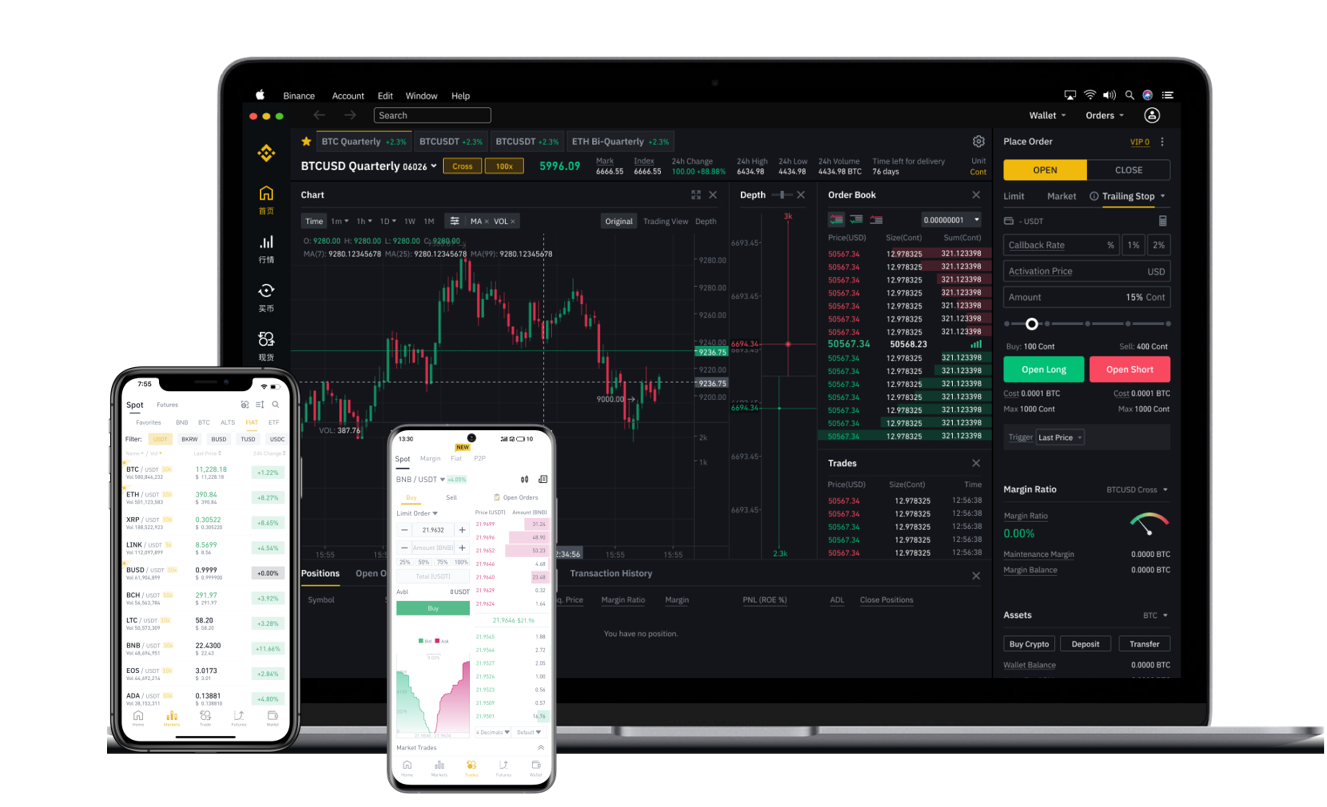
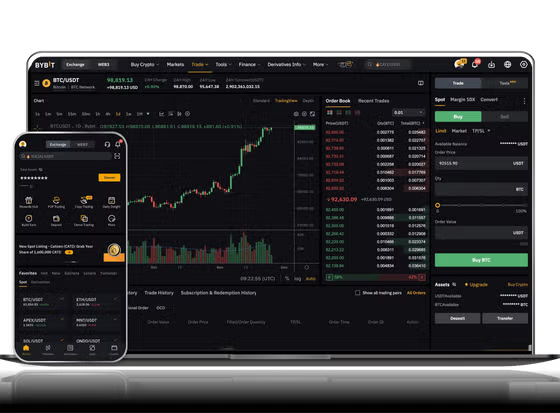
Binance spot selling is not merely about clicking the "sell" button. For active traders, understanding the nuances of market orders, limit orders, and the order book dynamics on the world’s largest cryptocurrency exchange can mean the difference between a profitable exit and leaving money on the table. This guide breaks down the essential concepts and advanced tactics for selling on Binance spot markets.
First, it is critical to distinguish between a market sell and a limit sell. A market sell order executes immediately at the current best available bid price. This is ideal for speed—when you need to exit a position instantly due to market volatility or a sudden trend reversal. However, the trade-off is slippage. In a thin order book or during a flash crash, a market sell can fill at significantly lower prices than the last traded price. For large volume sales, this is particularly risky. The ask is not necessarily what you get; you must look at the depth of the bid side.
Conversely, a limit sell order allows you to specify the exact price at which you are willing to sell. You become a maker, adding liquidity to the book, and you typically pay a lower trading fee (the maker fee) compared to a taker fee. The challenge is execution risk. If the market price does not reach your limit, the order remains unfilled. A sophisticated approach is to use a trailing stop-limit order for selling. This dynamic order type lets you lock in profits as the price rises, while setting a stop price that moves with the market. If the market reverses by a defined percentage, the system converts your limit order into a market order to exit the position.
Another key factor in Binance spot selling is the trading pair selection. If you are selling Bitcoin (BTC), you have two primary options: the BTC/USDT pair or the BTC/BUSD pair (assuming the pair still exists in your region). The liquidity and order book depth differ between these pairs. Always check the spread—the difference between the current highest bid and the lowest ask. A tighter spread means lower transaction costs. For less liquid altcoins, it is often advisable to sell into the BTC pair first (e.g., selling an obscure token for BTC) and then selling that BTC for a stablecoin, as the BTC market depth is far greater.
Timing is also a critical component of spot selling strategy. Do not focus solely on price. Pay attention to the volume and order book imbalance. If the bid side of the book is stacked with large orders while the ask side is thin, it indicates strong buying support and you might want to hold off selling. Conversely, if the ask side is collapsing while bids are being pulled, it signals a potential sharp drop. Use the Binance "Depth" chart visualizer to see this in real time. Furthermore, consider the impact of large "whale" candles. A sudden spike in volume on a green candle might be the perfect liquidity exit point, as market makers rush to fill orders.
Finally, risk management in spot selling cannot be overlooked. Set a clear profit target and a stop-loss before you enter the order. While spot trading does not involve liquidation like futures, the principle of capital preservation applies. You can use the "Stop-Limit" order type on Binance to automatically sell your holdings if the price drops to a certain level. This is essential for preventing emotional decision-making during a market crash. By mastering these order types and market dynamics, you can execute spot sales on Binance with enhanced precision and reduced friction, turning your trading plan into a dependable execution framework.